Service

What Is Sealcoating, and How Frequently Should You Apply It?

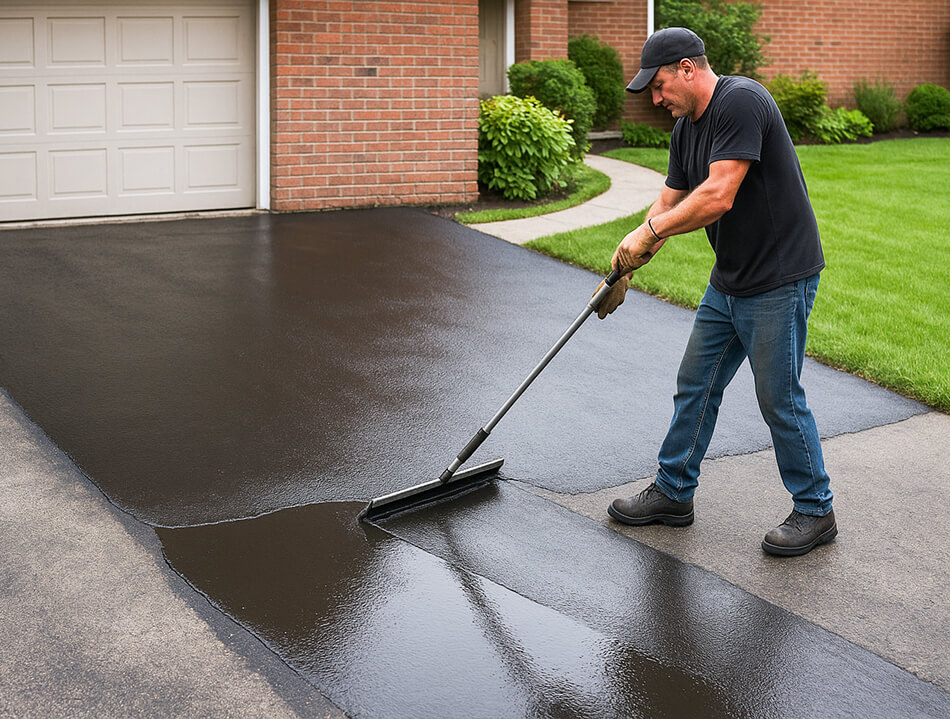
Sealcoating is a protective layer applied to asphalt pavement to guard against water, chemicals, sunlight, and everyday wear. It helps prevent cracks, potholes, and long-term damage, keeping driveways and parking lots in top condition. Regular sealcoating not only prolongs the surface’s lifespan, but also enhances its appearance and value.

Typically, sealcoating is recommended every 2 to 3 years, but the exact timing depends on traffic levels, weather conditions, and the pavement’s age. Routine inspections and maintenance can help determine the best schedule for each property.

What-Is-Sealcoating-and-How-Frequently-Should-You-Apply-It.jpg

Residential Sealcoating Services

Commercial Sealcoating Services

Does Your Asphalt Need Resealing? Key Indicators to Watch For

Not sure if your asphalt needs resealing? There are some clear signs to watch for. Faded color, visible cracks, or small potholes indicate the protective layer has worn away and the surface is exposed to damage. If water no longer beads up but instead soaks into the pavement, or if you notice rough spots or loose stones, it may be time for a new sealcoat.

Prompt attention to these indicators helps prevent costly repairs and keeps your driveway or lot looking its best. Regular inspections make it easy to address minor problems before they become major issues.

Does-Your-Asphalt-Need-Resealing-Key-Indicators-to-Watch-For.jpg

How Sealcoating Works:
A Step-by-Step Guide to Asphalt Protection

Discover the proven process behind maintaining a strong, great-looking driveway with professional sealcoating.

01

Prepare

Before starting, the surface is thoroughly cleaned using blowers and sweepers to remove dirt, debris, and oil spots.

02

Edge and Tape

Edges along curbs, sidewalks, and driveways are carefully taped or shielded to prevent overspray. This creates clean lines and protects adjacent areas from sealant.

03

Apply the Sealcoat

A premium sealant mix is applied using spray or squeegee methods for even coverage. This protective layer seals the asphalt, preventing oxidation and water penetration.

04

Coat Application

Depending on surface condition, one or two coats are applied for optimal durability. Each coat is spread evenly to create a uniform, sleek finish across the pavement.

05

Dry & Cure

The freshly coated surface is left to dry and cure for several hours. This step allows the sealer to bond properly, ensuring long-lasting protection against weather and wear.

06

Striping and Markings

Once cured, fresh pavement markings and line striping are applied for a professional, finished look—enhancing both safety and curb appeal.

Well-Rated by Clients and Franchisees

The team answered every question and handled the project with great care. My driveway truly looks fantastic and feels brand new.

Marcus T.

The entire process was smooth and worry-free. The crew was reliable, courteous, and worked efficiently to deliver great results. I couldn’t be happier with my newly sealed driveway.

John T.

Sealcoating: The Smart Way to Preserve Asphalt and Reduce Expenses

Sealcoating is a simple, cost-effective solution that helps protect asphalt surfaces from harsh weather, heavy traffic, and daily use. By applying a fresh sealcoat every few years, property owners can prevent cracks, potholes, and costly damage, saving significant money in repairs and resurfacing.

Regular sealcoating not only maintains a fresh, attractive appearance, but also extends the lifespan of the pavement, providing long-term value and peace of mind. Protect your investment with routine sealcoating and see the benefits for years to come.

Sealcoating-The-Smart-Way-to-Preserve-Asphalt-and-Reduce-Expenses.jpg

Frequently Asked Questions 

01. What is the process for sealing driveway?

First, clean and repair the driveway. Next, apply the sealer evenly using a brush, roller, or sprayer. Allow it to dry for 24–48 hours before using the driveway.

Rain before the sealer dries can wash away the coating, cause uneven spots, and delay curing. Always apply sealer when no rain is forecasted for at least 24–48 hours.

Wait until the driveway is completely dry—typically several hours after rain or longer for soaked pavement—before applying sealer for best results.

Yes, DIY sealing is possible with proper tools and preparation. However, professional application often gives a more durable and even finish, especially for beginners.

Sealcoat in spring, summer, or early fall when temperatures are between 50°F and 90°F and no rain is expected for 24–48 hours after application.